Why Indoor Air Quality Matters in a Sealed-Up Texas Home
The AC system that controls your temperature is also the single largest mover of the air your family actually breathes all day.
August 25, 2026 · 3 min read
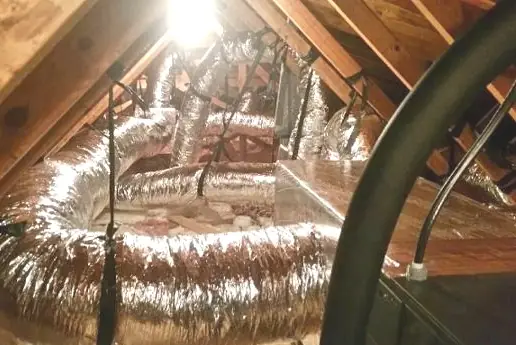
A well built modern home does an excellent job of keeping outside air outside, which sounds ideal until you consider what happens to everything that started out inside instead. Cooking odors, cleaning products, pet dander, ordinary household dust, and whatever tracks in on shoes all get recirculated through the same conditioned air for months at a stretch, especially here, where the AC runs nearly year round instead of a home getting the periodic fresh air flush that comes naturally from open windows in a milder climate.
None of this is a reason to panic about your own house. It is a reason to treat indoor air as something the home's mechanical systems actually manage, rather than something that just happens on its own. A house that is sealed tightly enough to keep a Texas summer out is sealed tightly enough that whatever is already circulating inside stays in circulation a lot longer than it would in a home with windows open half the year.
The AC system is also your air system
Every time the system runs, air passes across a filter and through the ductwork on its way back into your rooms. That means the AC is not only controlling temperature. It is the single largest mover of the actual air you and your family breathe indoors, all day, every day, all year. A weak filter, a dirty coil, or ductwork with gaps and disconnections does not just cost you cooling efficiency. It is actively working against the air quality of the entire house at the same time.
Filtration matters more than most people assume
A basic filter stops the largest particles from clogging the equipment, but it is not doing much for the smaller particles that actually affect how a house feels to breathe in, particularly for anyone in the home dealing with allergies or asthma. A better filtration setup, sized correctly for the system so it does not choke airflow in the process, catches a meaningfully wider range of what is actually circulating through the rooms. This is the kind of upgrade that stays invisible until you notice its absence, usually around the time someone in the house has been sneezing more than usual for no obvious reason at all.
Whole home air cleaners and duct condition
Beyond filtration, a whole home air cleaner works continuously on the air passing through the system rather than depending on someone remembering to change a filter on schedule. None of it matters much, though, if the ductwork actually carrying that air is leaking, disconnected, or pulling in air from a hot, dusty attic space instead of the conditioned rooms it is supposed to serve. A duct inspection is not just about efficiency on the utility bill. It is about confirming the air actually arriving at your vents came from where you assume it did.
A duct system with a real leak is not just an air quality issue either. Attic air being pulled into the return side of a house is often warm, dusty, and carrying whatever has settled up there over the years, which is exactly the kind of air nobody wants circulating through bedrooms and living rooms. Upgrading or sealing ductwork often does more for a home's overall comfort and air quality together than any single filter change ever could on its own.
What to actually do about it
- Ask whether your current filter is genuinely sized and rated for your system, not just whichever one happens to fit the slot
- Have ductwork inspected if one room consistently feels stuffier or dustier than the rest of the house
- Ask about whole home air cleaner options if allergies or asthma affect anyone living in the home
- Do not wait for a health complaint to be the first reason anyone looks into any of this
AirLoom's Healthy Air Systems services cover exactly this ground: air filtration, whole home air cleaners, and duct inspection and upgrades, and a conversation about any of it costs nothing upfront. None of it requires replacing equipment that is otherwise working fine. Most of it is a genuinely small addition to a system you already have. Call (936) 202-3390 to ask what actually makes sense for your specific house rather than guessing from a general rule.
AirLoom Cooling & Heating, (936) 202-3390
Call (936) 202-3390More articles
What a Woodlands Summer Really Does to Your Air Conditioner
Months of triple digit heat index days ask more of a residential AC system than most homeowners realize, and the wear shows up long before a full breakdown does.
Repair or Replace: How to Think About an Aging AC Honestly
The right call depends less on today's repair bill and more on how many more seasons the system realistically has left in it.